The South Bay Consortium will host an Open House on Monday, January 28th from 5:30-7:30pm in Santa Clara. For details, please contact Dr. Andrew Berger (see contact information, below).
POSTDOCTORAL RESIDENCIES IN CLINICAL PSYCHOLOGY
The South Bay Consortium is an APA-accredited and APPIC-member psychology postdoctoral residency program* that is well-integrated into the Kaiser Permanente health care system. The consortium is a joint program supported by the Santa Clara and San Jose Medical Centers. The Consortium began in 2006 as part of a restructuring of the larger Northern California Regional postdoctoral training programs. The goal was to provide an integrated and comprehensive training program while retaining local support.
The South Bay Consortium postdoctoral residency program is sequential, cumulative, and graduated in complexity. Graduated and sequential aspects of the residency programs are achieved through supervision, evaluation, didactic seminars. A total of 12 Clinical Psychology Residents are placed in Departments of Child (Santa Clara and San Jose) or Adult Psychiatry (Santa Clara, Mountain View, and Milpitas) or the Autistic Spectrum Disorder Clinic (San Jose). The postdoctoral resident commitment is 40 hours per week during a 12-month period. One-half of the residents’ time is spent providing direct services to clientele through individual, group, family, or couples therapy and conducting psychological assessments. In addition to the required two hours of individual supervision weekly, residents also participate in two hours of group supervision, as well as testing supervision, a program evaluation project and community outreach activities. Residents from all sites attend weekly didactic seminars. To view a sample of our seminar training topics for the South Bay Consortium, click here.
For residents in the ASD Clinic, services shall consist primarily of conducting developmental and psychological assessments as well as case management and support services for families served by the clinic.
Residents are also expected to attend approximately six half-day seminars at the Kaiser Regional Office in Oakland, which is also open to supervising psychologists for continuing education credits. The first seminar focuses on Ethics and the Law. This ensures all postdoctoral residents have a sound working knowledge of California’s professional code of conduct.
*Accreditation information can be obtained from the Commission on Accreditation of the American Psychological Association, 750 First Street NE; Washington, DC 20002-4242.
Phone: 202/336-5500; TDD-TTY: 202/336-6123.
Web Site: http://www.apa.org/ed/accreditation/programs/traditional.aspx.
The South Bay
Santa Clara County, also referred to as "Silicon Valley," is unique because of its combination of scenic attractiveness and economic diversity. With its natural beauty and high standard of living, Santa Clara County has been considered one of the most desirable areas in the United States to live and work. The perfect climate of the region remains temperate year round with mild winters. Santa Clara offers a rich history, cultural diversity, arts, sports, and outstanding academic institutions. Santa Clara County is home to two of the original California Missions, and the city of San Jose.
Patient Population
The South Bay Consortium draws its clientele from Santa Clara County, Santa Cruz and Monterey Counties. The clientele is derived from Kaiser Health Plan members possessing pre-paid psychiatric benefits. It covers largely an urban and suburban lower middle to middle-class multi-ethnic community with some rural families from the central valley and coastal hills. The ethnic diversity of this community lends its appeal with large numbers of monolingual and bilingual Spanish speakers, as well as several other languages such as Vietnamese, Chinese, Russian, Hindu, to name a few.
Services
The Department of Psychiatry provides individual, group, family and play therapy with children, psychological testing, and psycho-educational programs such as stress reduction, couples communication and other classes. It also includes an Intensive Outpatient Program (IOP) that provides services to recently hospitalized individuals or people who would otherwise be at risk for hospitalization. We run approximately 30 different groups, from Dialectic Behavioral Therapy to Job Stress. The members of the staff represent a variety of theoretical orientations ranging from psychodynamic to cognitive behavioral therapy. The South Bay Consortium also holds the Autism Spectrum Disorder at the San Jose facility and whose services are detailed below.
BACKGROUND AND HISTORY
The postdoctoral residency program at the Kaiser Permanente Medical Centers (KPMC) in Northern California has a long and intricate history. During the last twenty-five years, there has been a major movement to regionalize and standardize the mental health delivery system. As a result, Psychiatry has since tripled in size. Several new treatment programs were developed under the initiative referred to as the “model of care”. As a result of this organizational maturation, the postdoctoral training program has grown increasingly organized and extensively supported by the KPMC.
Kaiser has made a commitment to evidenced-based treatments. To this end, departments throughout the region have sent specialists to meet regularly to develop Best Practice guidelines based on the most current research for major psychological disorders, such as: Depressive Disorders, Anxiety Disorders, and Eating Disorders. These guidelines are published in manuals that every department is expected to use in order to provide comprehensive and appropriate treatment. The Best Practices literature is made available to all residents and is considered part of overall curriculum of the residency program.
The program functions within the largest HMO in the United States. Each medical center provides a full range of services to thousands of patients. Health care, as envisioned by KPMC, is an integrated system. Providers from specialty areas such as pediatrics, internal medicine, neurology and psychology work together in a collaborative manner to provide integrated treatment. The postdoctoral residents train within this collaborative system and are seen as an integral part of the overall healthcare delivery system. Each medical center has psychologists working in various departments including Psychiatry, Chronic Pain, Chemical Dependency, and Behavioral Medicine.
MISSION AND TRAINING MODEL
The mission of Kaiser Permanente Medical Centers (KPMC) is to provide integrated, efficient, high-quality, evidence-based health care while supporting innovation and continuous quality improvement. The mission of the South Bay Consortium Postdoctoral Training Program is to provide residents with advanced training within this highly integrated, multidisciplinary healthcare system, in order to prepare them for dynamic roles as practicing psychologists in the healthcare system of the future. Residents train in collaboration with, and with guidance from, psychologists and physicians.
The South Bay Consortium Postdoctoral Training Program subscribes to the Practitioner-Scholar model of training. This model emphasizes the development of professional skills among practitioners who utilize the field's scientific knowledge (Evidence-Based Treatment) in their professional practice. The program is committed to training professional psychologists who are life-long learners dedicated to engaging in continuous education, scientific inquiry, and scholarly endeavors.
PROGRAM FACULTY
The program faculty includes licensed psychologists and board certified psychiatrists who lead seminars and conduct individual and group supervision. A Site Coordinator oversees each site and a Consortium Training Director leads the Consortium. The Northern California Director of Training provides additional administrative guidance.
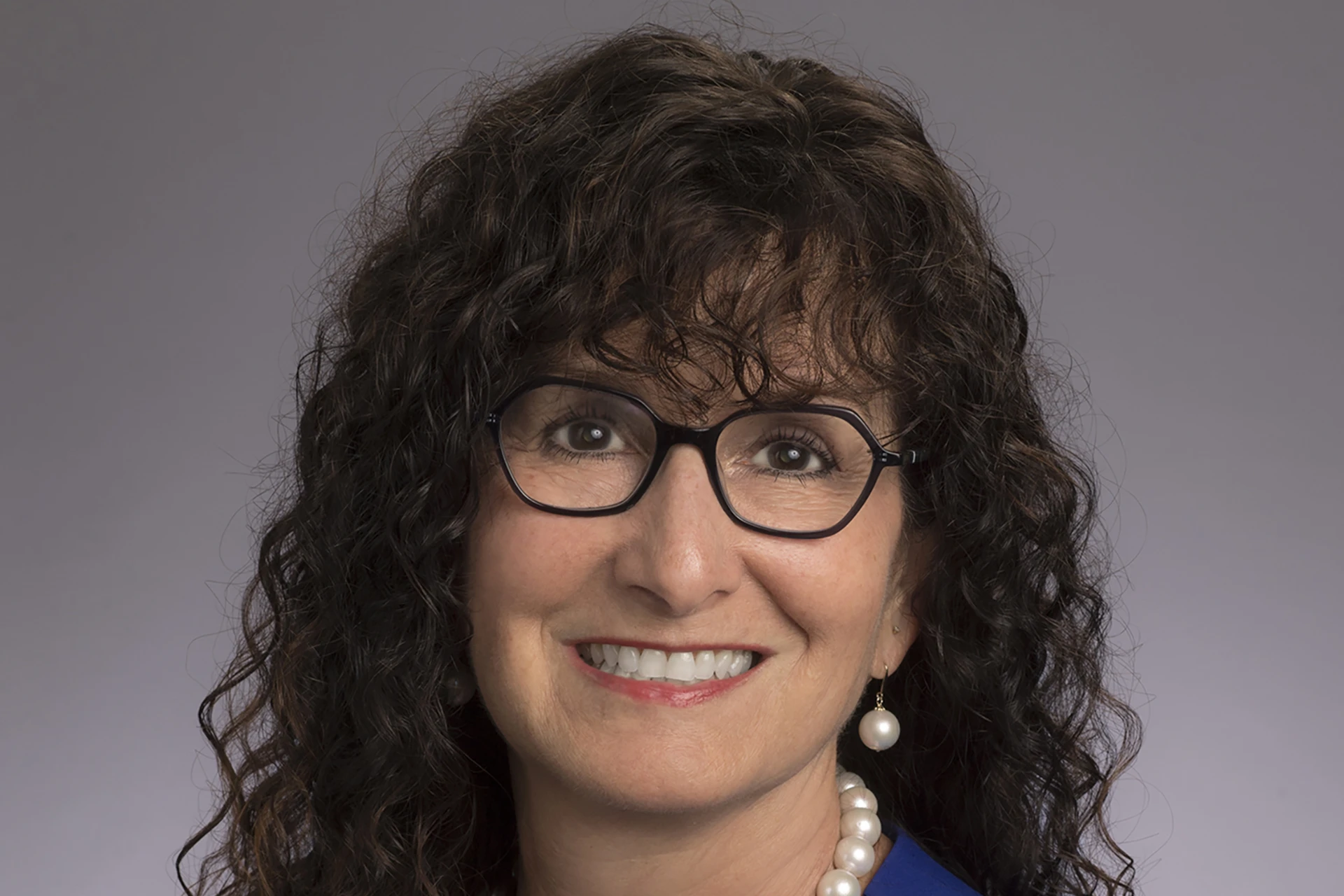
Contact: Caroline C. Lee, Ph.D. (Director of training)
E-mail: Caroline.C.Lee@kp.org
408-366-4454
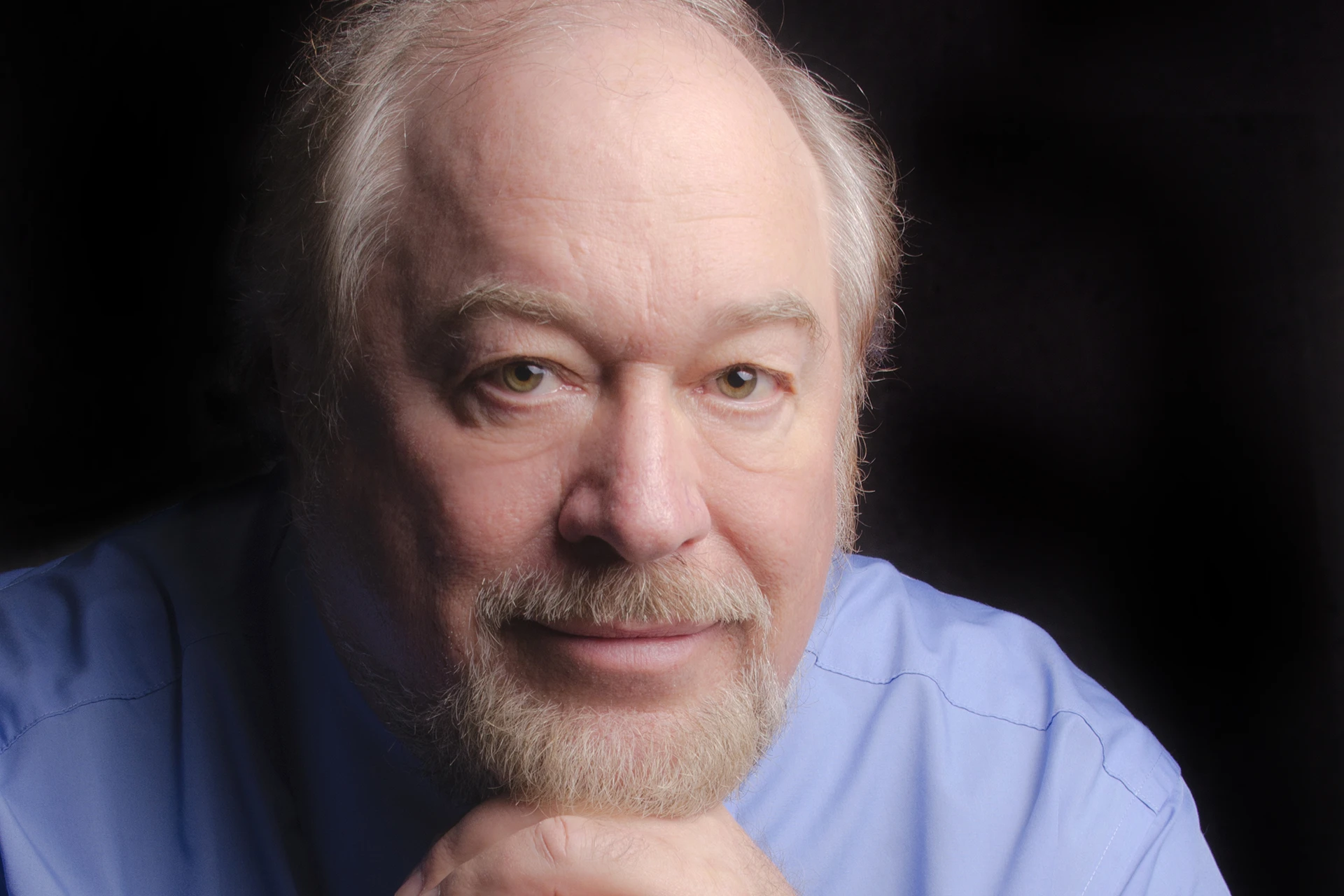
Contact: Andrew C. Berger, Ph.D. (Co-Director of Training)
E-mail: Andrew.C.Berger@kp.org
408-360-2304
THE TRAINING PROGRAM
General principles
-
Our training philosophy is to foster clinical competence and professional identity through the mastery of basic and specialized skills. Our department stresses a commitment to a continuous reassessment, modification, and enrichment of therapy techniques. Residents are exposed to a unique and diverse community of clients. There is a clear emphasis on the role of the psychologist in a multi-cultural community, an outpatient setting and integrated with the medical center in providing quality health care to its members. Residents will be encouraged to become familiar with the demographic composition of the community in which our clients reside.
The Best Practices literature provides the foundation for the training program curriculum. This body of literature is comprised of well-researched treatment guidelines for various mental health problems, such as depression and anxiety.
The residency consists of three components:
- 1. Regular exposure through active participation to all facets of outpatient services.
2. Professional guidance through sessions of formal supervision, staff meetings and informal contacts with staff members.
- 3. Regular weekly and monthly training seminars.
Goals, Objectives, and Competencies
Evaluations
The training directors and primary supervisors are responsible for completing the resident’s Competency Quarterly Progress Reports in collaboration with the rest of the training staff. All efforts are made to provide ongoing feedback to residents throughout the year. Residents also have an opportunity to evaluate this program twice a year.
Grievance Procedure
It is the goal of the Psychology Postdoctoral Residency Programs to provide learning environments that foster congenial professional interactions among training faculty and residents that are based on mutual respect. However, it is possible that situations will arise that prompt residents to file grievances.
The Regional Policy and Procedure manual provides a full description of grievance procedures. The manual is available on the Psychology Postdoctoral Residency Programs main web page.
HOW TO APPLY
To begin the application process, please click on the How to Apply heading above, and follow the procedure as listed. After completing the procedure, please read below for additional application information.
The following additional application information is specific to the South Bay Consortium:
As the South Bay Consortium (SBC) has resident placements at San Jose, Santa Clara, Mountain View and Campbell, all interviews will consist of supervisors from multiple sites. You will be interviewing for the SBC but not for a particular site; however, every attempt is made to match you with your first choice site. We make site placements based on factors such as the needs of the clinic, supervisor specialties and goodness of fit between resident and site. In order to facilitate matching a resident with his or her preferred site, prior to notification day we will ask you to rank our sites in order of preference to best match you to your first choice site, although we cannot guarantee a particular site placement. As the SBC program is highly integrated across sites, all residents in the SBC program regardless of site will train together in seminars, group supervision, testing supervision and program evaluation which makes the training program essentially quite similar across all sites.
At all but one of our sites, each resident has his or her own office. All residents meet weekly for an hour lunch on their own, without supervisors present, in order to facilitate self-care and encourage professional relationships. All residents attend weekly staff meetings and year after year report that they are treated like staff while working in the SBC program. Our overall belief or ideology regarding supervision is that we want to support residents in learning to practice independently so as to support the resident to make the transition to practicing as a licensed psychologist. Many supervisors see their role as evolving over the residency in being more directive in the earlier stages and moving more towards a more consultative role as the year progresses to help foster a resident to develop his or her own style of practice and independent thinking about cases. Please click here to read testimonials from past SBC residents.
♦ You will need the free Adobe Acrobat Reader to read this file.